
8 Garden Design Trends For 2026: Planting, Layout & Outdoor Living Ideas
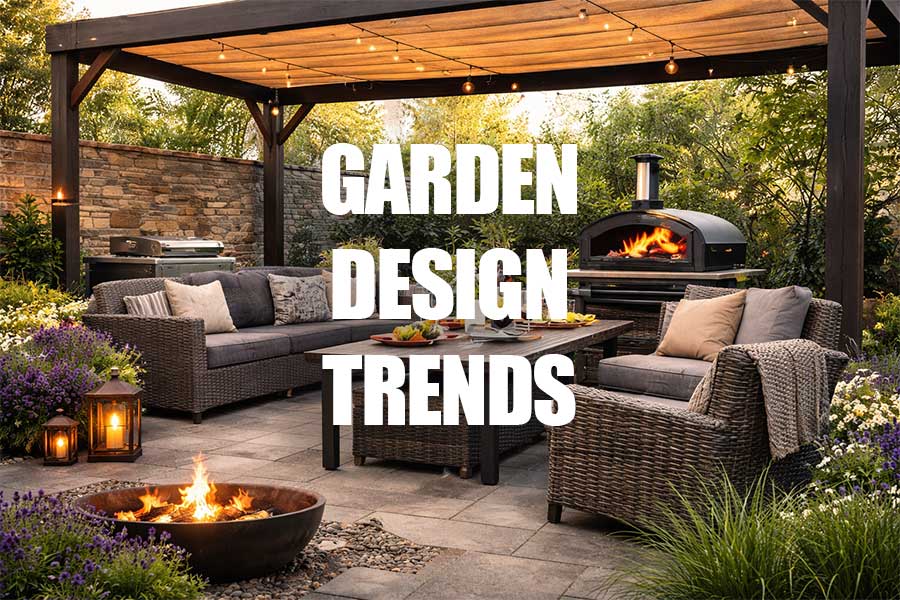
Looking ahead to 2026, the way we use our outdoor spaces is clearly shaping design trends for the new year. Gardens are no longer just about appearance. They now serve multiple purposes, from relaxing and entertaining to supporting wildlife and growing food. This shift places greater emphasis on practical, sustainable and adaptable design.
From productive planting and climate-aware choices to gardens designed for outdoor living, these trends reflect changing lifestyles and priorities. Whether you’re planning a full redesign or just making small updates, we can provide inspiration and expertise to help bring your ideas to life. Explore the key ideas influencing how gardens are being designed and used in 2026.
8 garden design ideas for the year ahead
1. Edible landscapes (foodscaping)
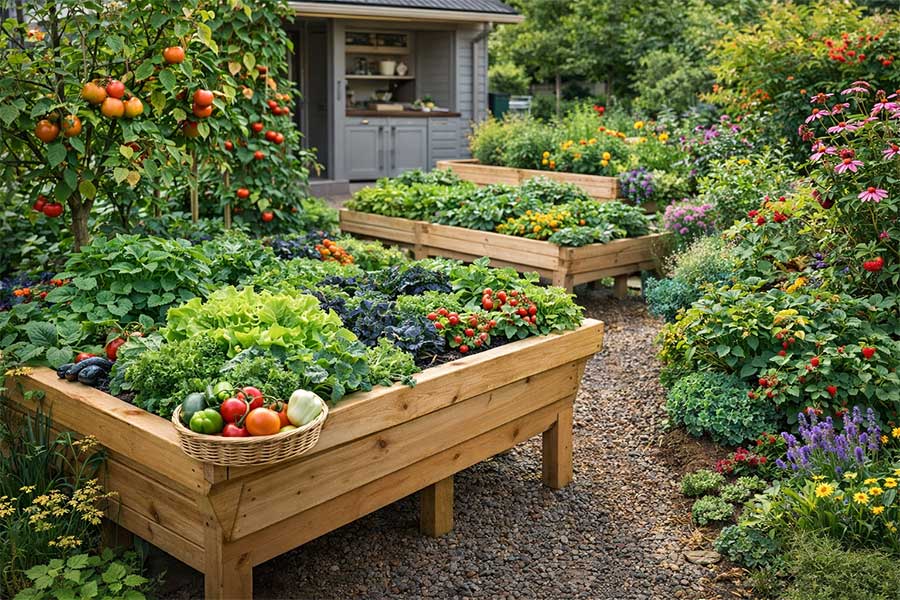
Foodscaping is set to be a major garden design trend for 2026, as people look to use their gardens in more practical ways. By incorporating fruit trees, vegetables and herbs, gardens can become productive spaces that help reduce food bills and encourage healthier eating.
Create potager-style planting areas close to your kitchen for growing herbs, salad leaves and crops – ideal for grabbing while cooking. Or add fruit bushes into mixed borders alongside flowering plants to make your garden landscaping feel more natural, while also supporting pollinators. For smaller gardens, patios and courtyards, vertical planting is on the rise, adding greenery without taking up valuable space. More on this shortly.
Getting started doesn’t need to be complicated. Growing vegetables from seeds is a simple and cost-effective way to try foodscaping. We can even supply raised planters by VegTrug to make growing accessible to everyone. The 1.8m Medium VegTrug offers space to grow both salads and veggies at a comfortable working height, with more compact models available too.
2. Climate-resilient planting
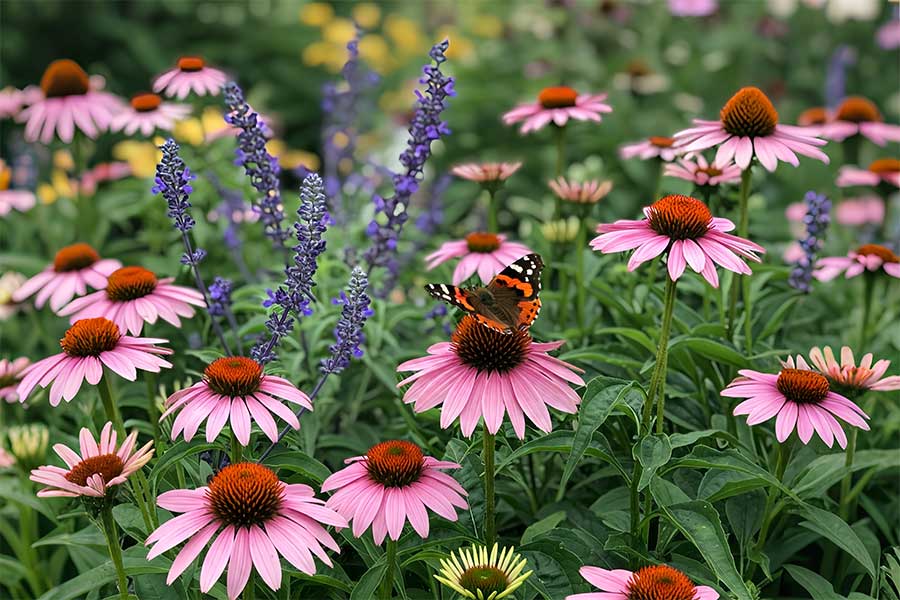
With UK weather becoming more unpredictable, climate-resilient planting is set to play a bigger role in garden design next year. Hotter, drier summers combined with periods of heavy rainfall mean gardens need plants that can cope with quickly changing conditions.
Choosing the right plants is a good place to start. Many gardeners are turning to hardy perennials that perform well year after year, even during dry spells. Plants such as echinacea, salvia and rudbeckia provide long-lasting colour and structure once established, with little watering required. Meanwhile, drought-resistant ornamental plants and grasses can help cover bare soil, reduce moisture loss and add interest to borders.
Good soil preparation also makes a big difference. Improving soil with quality compost and mulch will improve plant health and help retain moisture during dry weather, while also improving structure and drainage when rainfall is heavy. Browse a wide range of drought-resistant plants at Oxford Garden Centre, or speak to our horticultural team about the best options for your needs.
3. Purpose-built outdoor living areas
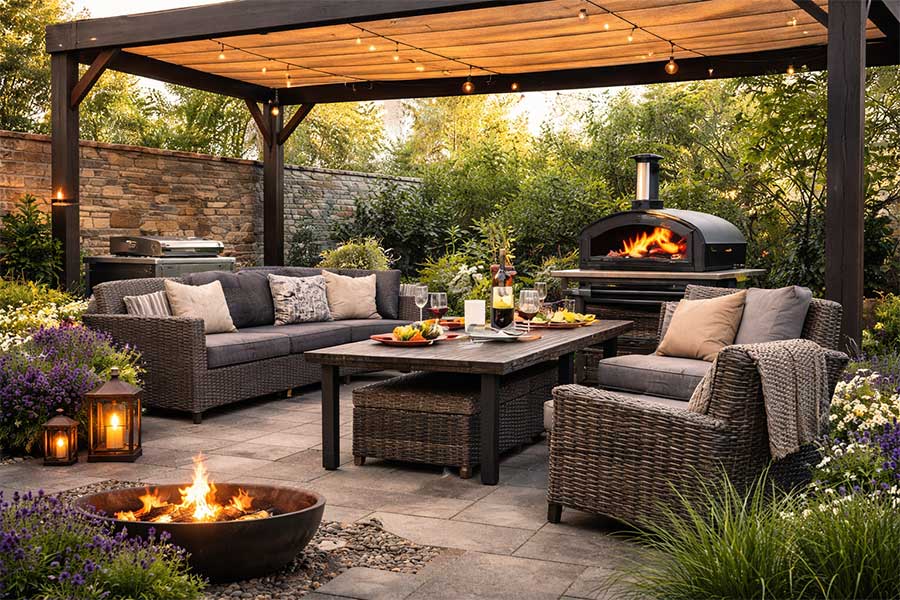
With busier lifestyles and rising living costs, more people are choosing to stay at home and make better use of their gardens. With that in mind, many homeowners are now creating dedicated alfresco dining spots and seating areas for entertaining or relaxing. Choosing well-made garden furniture helps these spaces feel considered and inviting, rather than temporary. Oxford Garden Centre stocks a variety of Kettler garden furniture, made using weatherproof rattan, aluminium or stainless steel frames with deep-filled cushions for comfort and durability.
Outdoor cooking areas are also increasingly being built into garden layouts, often positioned close to dining spaces for sociable cooking. We supply a choice of high quality gas or charcoal BBQs by well-known brands like Weber and Everdure. Plus best-selling Ooni pizza ovens to help you create an enjoyable cooking setup to suit your space and different occasions.
For comfort during warmer weather, timber pergolas remain a popular choice, providing shade over seating areas while keeping the space open and airy. To extend garden use beyond peak summer, you could also add some outdoor lighting and heaters, available in a host of styles, including on-trend copper designs. Or, for a more traditional look, why not invest in a steel or cast iron firepit? A great way to add warmth and character to your garden on cooler evenings.
4. Purposeful zones and botanical ‘rooms’
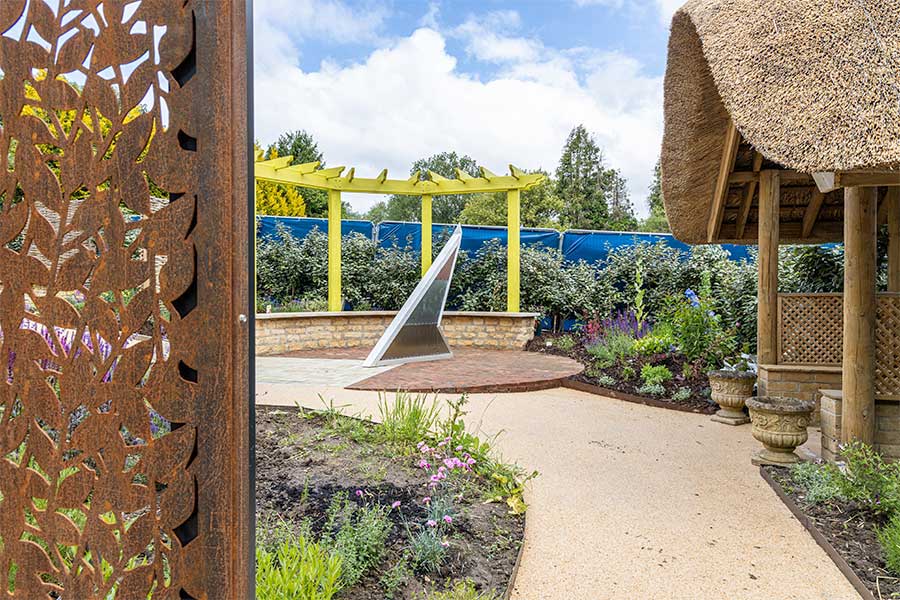
As part of wider garden design trends for 2026, many gardens are no longer treated as one open space, but divided into purposeful zones, each designed for a specific activity. This makes it easier to use your garden in different ways, while making it feel more organised.
A popular approach is to create botanical ‘rooms’, using planting to shape and soften each area. Reading nooks set within layered planting, dining spaces beside herb beds or sensory borders, and children’s play areas edged with soft lawn and flowers help different parts of the garden feel distinct without hard boundaries. There’s also a growing focus on wellbeing, with calming areas created through fragrant planting, gentle water features and sheltered seating.
Zones can also be defined using pots and planters, offering a flexible and affordable way to mark out different areas. A large range is available both online and in store at Oxford Garden Centre. Garden structures such as arches, benches and trellis can be used to add privacy or screen areas without closing the garden in. For more definitive boundaries, AWBS Oxford, located next door, supplies paving, decking and walling stone to suit a variety of garden styles.
5. Living walls and vertical planting
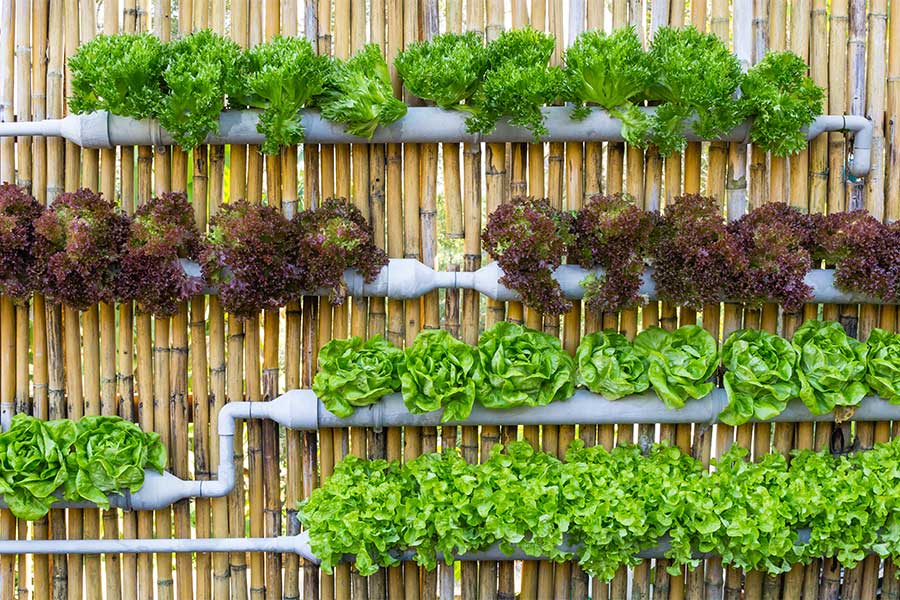
Living walls and vertical planting will continue to play a key role in garden design, particularly where space is limited. Vertical planting is often used in practical ways, with herbs and salad leaves grown on walls, trellis or vertical planters for easy access and harvesting. It’s also used decoratively, with flowering climbers like honeysuckle or clematis trained over trellis or pergolas to add colour and fragrance. In smaller gardens, terraces and courtyards, this concept can also work to soften boundaries and improve privacy without enclosing the space.
Using planting at different heights is another effective way to add structure and interest. Tiered planters, raised containers and layered planting help lift foliage and flowers through the garden, making planting feel fuller and more established. This works particularly well in compact spaces, allowing more planting without reducing usable ground area.
6. Year-round colour and seasonal interest
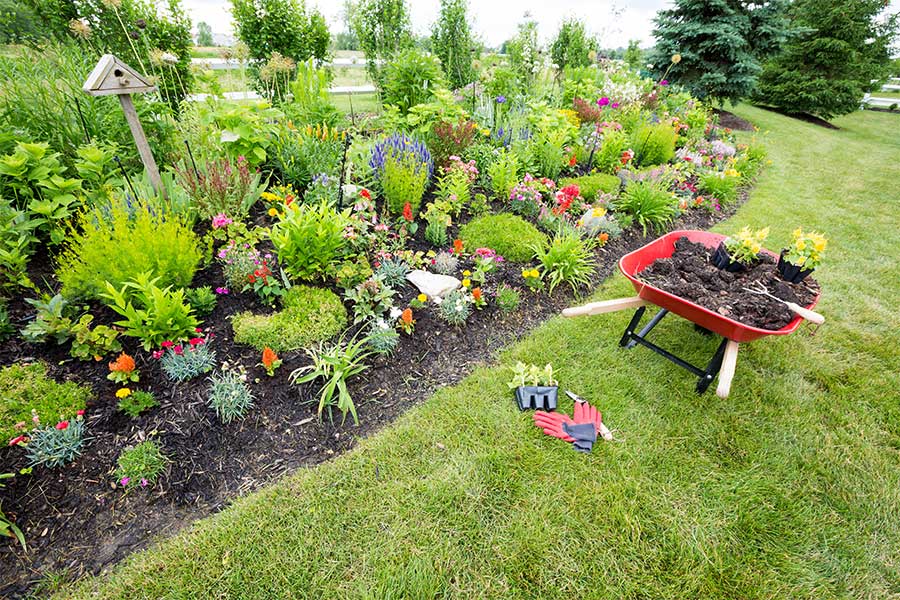
Planting schemes are increasingly being designed to provide colour and interest throughout the year, rather than peaking for just one season. Instead of relying on muted palettes, many gardens now use deeper greens, stronger flower colours and more varied foliage to create borders that feel full and well balanced throughout the year.
Layered planting plays an important role in achieving this. Early bulbs like tulips and daffodils bring colour at the start of the year, followed by perennials and summer-flowering plants as the seasons progress. Containers work particularly well for this approach, allowing bulbs and perennials to be planted together so one takes over as another fades. Accent planting is also being used to introduce bolder colour and texture, with deep-toned flowers such as dahlias and Lilium ‘Nightrider’ adding depth through rich plum, burgundy and near-black hues.
Similarly, darker paving and warmer wood tones are set to appear more in 2026, providing a strong backdrop for richer foliage. Bright colours can still be used to add contrast, but the overall focus is on creating a more consistent colour scheme. At Oxford Garden Centre, you’ll find a varied selection of plants and bulbs to refresh borders and containers in time for spring.
7. Wildlife-friendly planting
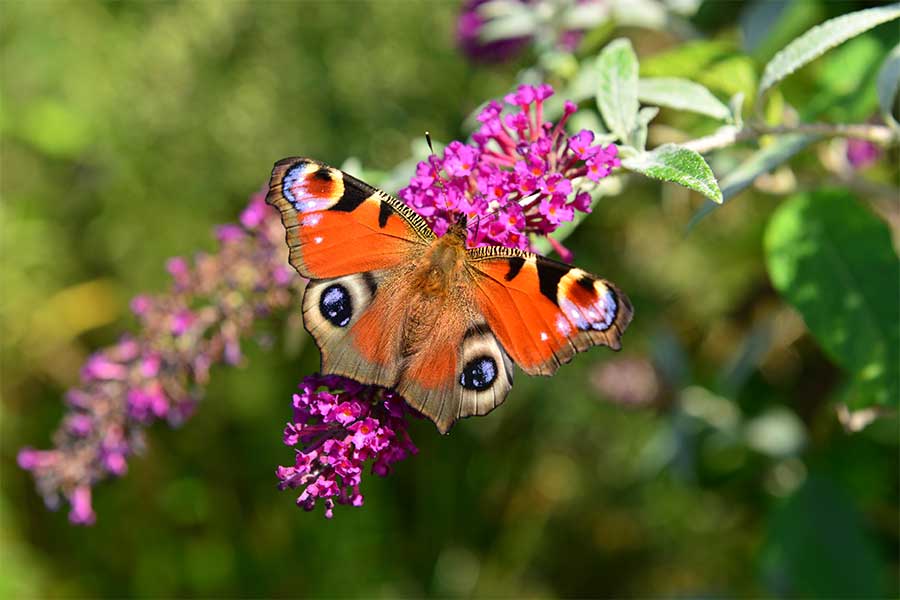
More gardeners are designing their outdoor spaces with nature in mind, creating outdoor spaces that support wildlife and are a pleasant place to spend time. Instead of highly manicured layouts, there’s a growing move towards more naturalistic planting styles.
Pollinator-friendly plants now play an important role in modern gardens. Nectar-rich perennials such as lavender, echinacea and geraniums, along with shrubs like heather and buddleia, support bees and butterflies throughout the growing season. Meanwhile, dense hedges and shrubs like pyracantha, hawthorn and holly offer birds safe nesting and roosting spots.
Wildflower pockets and small meadow-style areas, are also on the rise, adding colour while attracting insects and birds. This approach reflects broader garden design trends for 2026, where supporting biodiversity is considered an integral part of planting design.
Water is another useful addition to wildlife-friendly gardens. Even small water features, shallow ponds or bird baths can provide drinking and bathing spots for birds and pollinators, especially during warmer weather. Not to mention make your garden feel more tranquil.
Order water features and bird feeders online, or call in to browse plants and trees in person.
8. Indoor–outdoor continuity
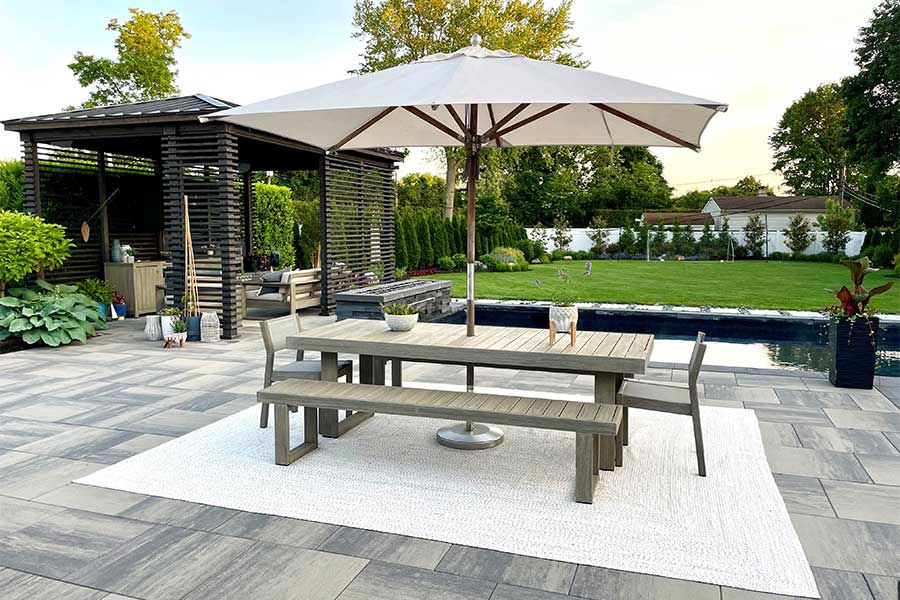
Creating a stronger link between the house and garden will be the aim of many garden designs in 2026. Rather than treating indoor and outdoor spaces separately, people now prefer a more seamless connection, so gardens feel like a natural extension of the home.
This is often achieved by opting for cohesive colours, materials and finishes. Warmer, more natural tones are replacing cooler greys, with earthy shades, natural stone and wood textures helping outdoor spaces feel more inviting and relaxed. Using the same or complementary paving indoors and out is also growing in popularity, as it helps visually connect the two spaces. Porcelain paving works particularly well for this, combining unrivalled durability and minimal upkeep, with authentic natural stone and rustic wood-effect finishes. Explore your options at AWBS Oxford, situated next door to Oxford Garden Centre.
Plants are also useful for reinforcing this connection, with leafy, structural plants commonly grown indoors mirrored in outdoor pots to create a unified look from the house into the garden.
Looking ahead to garden design in 2026
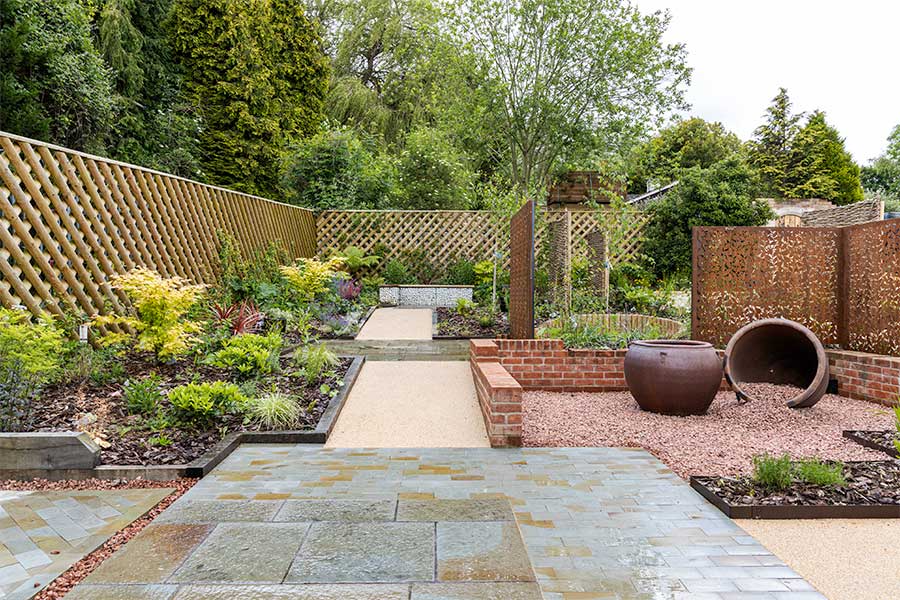
Taken together, these ideas highlight a clear shift in how gardens are being planned and used. More and more people are thinking about how planting, layout and materials work together to create outdoor spaces that are practical, flexible and enjoyable to use throughout the year.
From growing food and supporting wildlife to creating defined areas for dining, relaxing and entertaining, gardens are increasingly designed to suit everyday routines as well as changing weather conditions. Simple design choices, such as utilising vertical space, planting for year-round interest or zoning certain areas, can make a big difference without a huge overhaul.
Whether you’re making small updates or planning a larger project, Oxford Garden Centre is on hand to help. We can supply everything from plants and seeds to composts, mulches and bird feeders, as well as furniture and structures like pergolas, trellis, fencing and more.
Need advice on planting, layouts or something else? Contact our expert team for guidance on making the most of your garden in the new year.