
Summer Plant & Lawn Care Guide for Hot Weather & Droughts

British summers are getting hotter – and our gardens are feeling it. While we may welcome the sunshine, our plants and lawns often struggle in the heat. From drooping leaves and flowers to parched soil and brown lawns, the signs of heat stress can appear quickly. Luckily, with a little know-how and forward planning, you can keep your outside space healthy and vibrant during the warm weather. Sound good? Discover expert summer plant care below.
Watering wisely to prevent dehydration
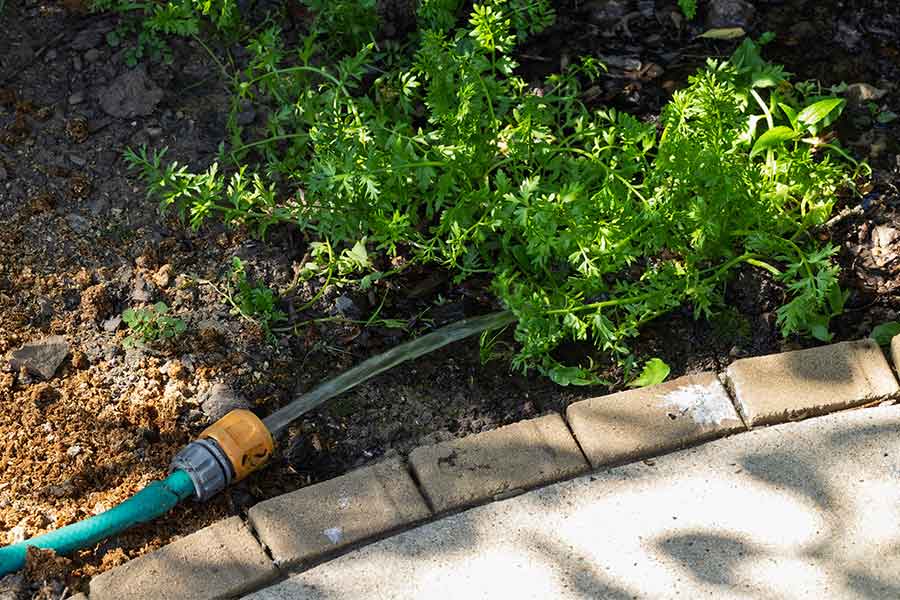
When it comes to hot weather gardening, the most important task is watering – strategically! Here’s how to make the most of every drop:
1. Time it right
The best time to water is early in the morning, ideally before 9am. This gives your plants a chance to absorb the moisture before the day heats up and the water evaporates. Watering in the evening is a good backup option, but try to keep the foliage dry. Damp leaves left overnight can encourage slugs, snails and fungal disease, so focus your watering on the soil, not the leaves. Avoid watering in the middle of the day when the sun is at its strongest.
2. Check before you water
It’s tempting to water daily during hot spells, but your garden might not need it. Sometimes a heavy morning dew or overnight shower can provide enough moisture for many established plants. A good rule of thumb is to check the soil by pushing your finger in about two inches. If it feels dry at that depth, it’s time to water. If it’s still damp, wait another day.
Lawns, in particular, are more resilient than they look. Even if they dry out and turn brown during a heatwave, most well-established lawns will bounce back quickly when rain returns.
3. Prioritise your watering
When water is limited, focus on what needs the most help. Top priorities include: newly planted trees and shrubs, vegetable crops – especially thirsty ones like courgettes, tomatoes and runner beans, and potted plants. Anything in pots or hanging baskets should be watered daily – give them a good soaking until water starts to drain out of the base. This will help to prevent heat-stressed plants, as containers lose moisture rapidly in high temperatures. It is also advisable to move potted plants to a shaded area of your garden in prolonged warm periods.
Established perennials and shrubs in garden borders take medium priority. Then summer lawn care is the lowest priority as the turf will generally recover naturally in autumn. The only exception is newly laid lawns or seeded patches from spring, as these need regular watering until their roots are fully established. If possible, delay laying new turf or seed in very hot spells of weather as turf in particular can wilt quickly before it has had time to establish.
4. Prepare for hosepipe bans
It wouldn’t be a UK summer without the threat of a hosepipe ban. With reservoirs running low, get ahead by installing a water butt. These can collect rainwater from your roof during wet weather and store it for when your garden really needs it. Not only is this free and sustainable, but rainwater is best for your plants too.
Or you could install a larger underground rainwater harvesting tank. These store much more and can be connected to a hose for more extensive garden watering. Otherwise, a watering can is ideal for targeted watering at the base of plants and far more efficient than a sprinkler.
5. Water deeply, less frequently
Watering your plants lightly every day may seem like you’re helping, but it actually encourages them to grow shallow roots. In turn, this makes them more vulnerable in dry weather. Instead, as part of your summer plant care routine, aim to give your plants a deep soak once or twice a week. This will help the roots grow downwards, where the soil stays cooler and more moist.
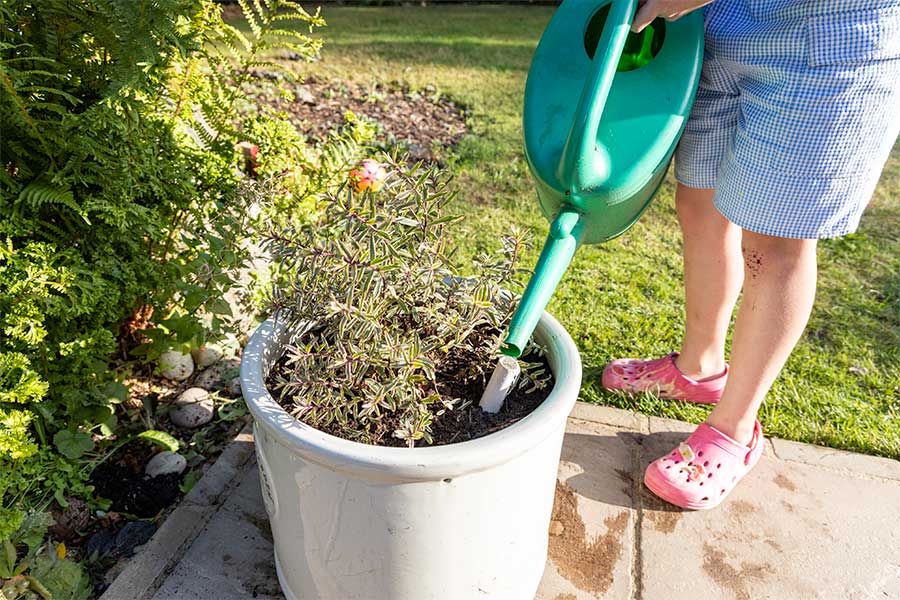
Top tip: When planting new plants, insert a short angled pipe (20mm overflow pipe works well) down to root level. You can then pour water into the pipe, sending it straight to where it’s needed and cutting waste.
Lawn care for a resilient British lawn

Hot, dry summers can make even the greenest lawns look worse for wear, but appearances can be deceiving. Domestic lawns are surprisingly hardy and usually restore themselves quickly. However, there are some summer lawn care tips you can try for best results:
1. Mow high, let it grow
In hot weather, resist the urge to give your lawn a close cut. Instead, raise the cutting height on your mower to at least 4–5cm (about 2 inches). Longer blades shade the soil, reducing moisture loss and shielding grass roots from the sun. You should also mow less during dry periods as too much cutting can stress your lawn further. It might look a little less tidy, but you’ll have healthier turf in the long run!
2. Embrace the brown

A brown lawn isn’t dead – it’s just dormant. UK grasses like fescues and ryegrass shut down growth during dry spells to conserve energy. So don’t panic if your lawn loses its green glow. It may look like straw, but after some decent rainfall, it will spring back to life.
3. Skip the summer feed
Avoid using fertilisers during periods of drought. Feeding stimulates new growth, which requires moisture and there may not be enough to support it, causing further stress. Instead, wait until the weather cools and rain returns – autumn (late September onwards) is ideal for feeding drought-affected lawns. Choose a fertiliser designed to support root strength and repair.
4. Let the clippings lie
If you’re mowing at all during dry spells (you may not need to), consider leaving the fine grass clippings on the surface. These act like a light mulch – shielding bare soil and adding nutrients and moisture to the soil as they break down. Just be sure not to leave thick piles that could smother the grass underneath. A light, even scattering is perfect.
5. Hold off on new lawn projects
If your lawn is patchy and in need of repair, it may be tempting to lay new turf. However, it is extremely difficult for new lawns to establish in hot, dry conditions – even with regular watering. The best time to sow seed or lay new turf is autumn or early spring, when soil is moist, you’ve aerated it and temperatures are lower. In fact, turf can generally be laid from September to March, so long as the ground isn’t frozen or waterlogged.
Looking for quality lawn care products? Visit Oxford Garden Centre for drought-tolerant seed mixes, specialist feeds and seasonal advice from our expert team.
Caring for plants, borders & containers in a heatwave

Borders bursting with colour and overflowing pots are the pride of many summer gardens – but they also suffer the most during hot, dry weather. Here’s how to keep them healthy:
1. Mulch is your friend
If you do just one thing for your borders this summer, mulch them! Applying a 5–7cm (2–3 inch) layer of organic mulch – such as bark chippings, compost or leaf mould – is a simple way to protect your plants in dry weather.

Mulch acts like a natural blanket for the soil to reduce the likelihood of heat stressed plants. It will seal in moisture, keep roots cooler and suppress thirsty weeds. Plus, good quality mulch will also improve the soil’s structure and deposit valuable nutrients as it breaks down to support healthy growth. Pick up small or bulk bags of peat-free mulch at Oxford Garden Centre or order online with free delivery in Oxford.
Top tip: Water your borders thoroughly before mulching to trap the moisture in place.
2. Take extra care of plants in containers
Pots, planters and hanging baskets dry out much faster than garden beds, and can be among the first to suffer during a heatwave. With that in mind, some extra attention goes a long way:
- Move pots to partial shade during the hottest part of the day.
- Group containers together to create a humid microclimate to slow evaporation.
- Place saucers under pots to catch runoff and give plants another chance to soak up water.
- Check them daily in hot weather. Plants in containers will need watering every day, sometimes even twice daily in full sun.
- Try water-retaining gel or potting compost to keep them moist for longer.
- Consider double-walled pots to better protect roots from extremes of temperature.
Top tip: Going away for a few days? Move your pots to a shaded and sheltered spot, and water them thoroughly before you go.
3. Deadhead religiously
Check your plants regularly and remove any faded flowers, scorched leaves and other damaged foliage will sharp scissors. This will help your plants focus their energy on staying healthy and blooming again, and is especially important for summer performers. Think dahlias, cosmos, roses, zinnias and other bedding plants. By preventing them from going to seed, you’ll encourage them to keep flowering throughout the season.
4. Shade more sensitive plants
Some plants will struggle in intense heat whatever you do. This includes acers, hydrangeas and newly planted perennials. A little shade during the hottest part of the day can prevent scorch and leaf damage. To shield them, try erecting a parasol or draping lightweight shade netting over them. Tall neighbouring plants or structures can also provide natural shade.
5. Weed little and often
Weeds might seem harmless, but they’re quietly robbing your plants of valuable moisture and nutrients when both are in short supply. The solution? Pull them out as soon as they appear, especially in borders and around young or thirsty plants. It's easier to stay on top of it with regular light weeding than trying to tackle a full invasion!
6. Choose drought-tolerant plants
Hot summers are becoming the norm, so it makes sense to future-proof your garden with plants that can cope with dry conditions. Top picks for UK gardens include lavender which loves full sun and thrives in poor soil, and fragrant, evergreen rosemary. Ornamental stipa grasses are another popular option, adding texture and graceful movement in all weathers.
Keep calm and garden on
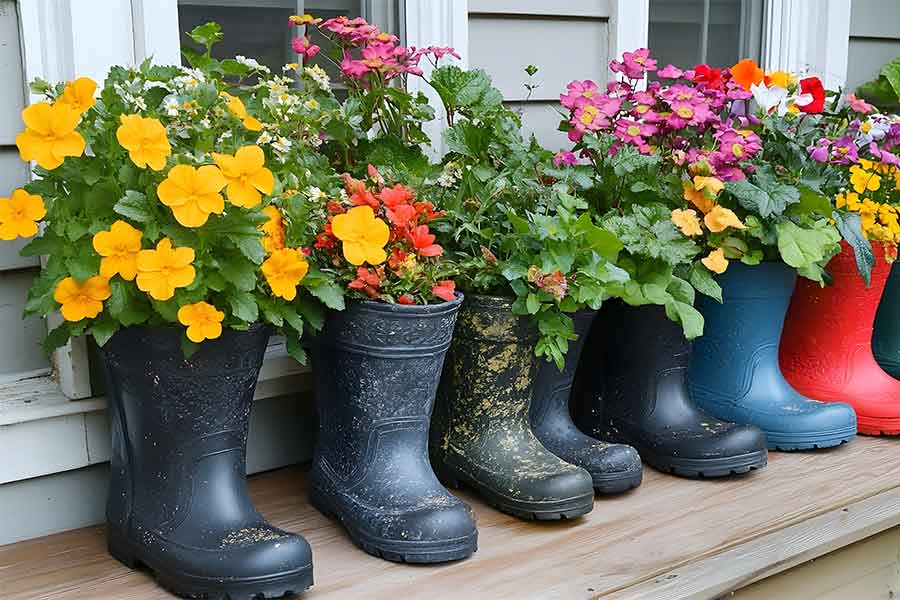
Summer heat doesn’t have to spell disaster for your garden. With thoughtful watering, a few simple lawn tweaks and smart long-term strategies, your outdoor space can stay healthy and resilient, even through prolonged dry spells. And don’t forget to look ahead. Choosing drought-resistant plants and improving your soil now will mean less stress in the summers to come.
Need mulch, lawn care products or sun-hardy plants? Visit Oxford Garden Centre for expert advice and a handpicked selection of gardening essentials. Our horticultural team is always happy to help.