
A Guide to Planting Spring Bulbs for a Stunning Floral Display

Want your garden to be bursting with colour by March or April? Then now is the best time to start planting your spring bulbs! From golden daffodils and elegant tulips to vibrant bluebells and crocuses, these stunning yet hardy blooms will provide some much-needed colour after the grey of winter. Whether you’re looking to fill borders, brighten containers or naturalise your lawn, we stock everything you need. Read our bulb planting guide below to get you started!
Popular spring bulbs to plant in autumn
Planting bulbs in autumn gives them time to establish strong roots before winter sets in and the ground freezes. Here are some popular varieties that can be planted this season:
Daffodils (Narcissus)
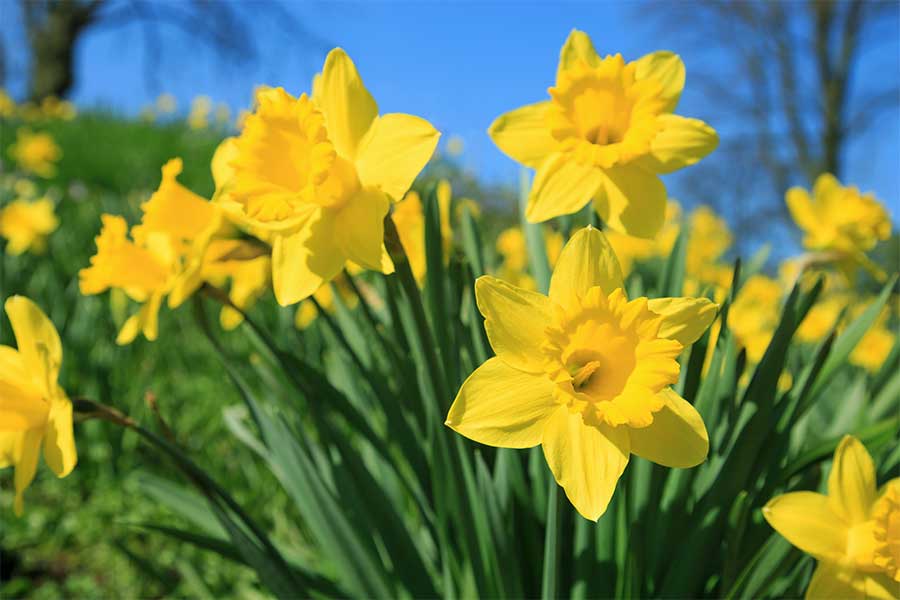
A true symbol of spring, daffodils are known for their cheery bold yellow colour. But they’re also available in more subtle lemon and cream shades too. Resilient and able to thrive with just a small amount of space, they’re ideal for both pots and borders. Plant daffodil bulbs in September or October, and watch them flower from March to May. Favourites at Oxford Garden Centre include long-lasting golden King Alfreds and petite, multi-headed Tête-à-tête.
Crocuses
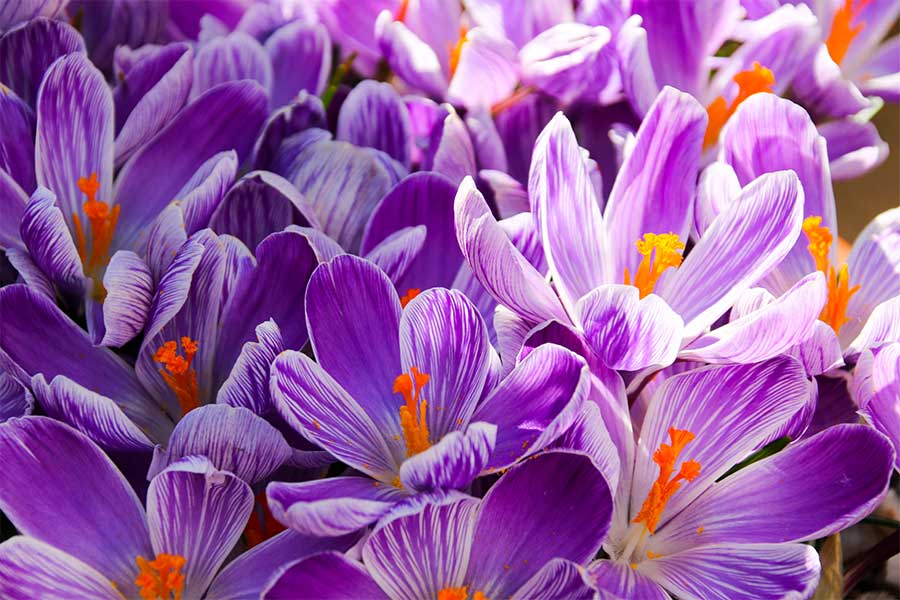
One of the earliest spring flowers, crocuses often appear in February and will attract pollinators to your garden. Their small purple, white and yellow blooms add a bright pop of colour to lawns, rockeries and containers without being overwhelming. Plant in a sunny spot in the autumn for best results. Once established, they’ll spread naturally and return each year.
Tulips
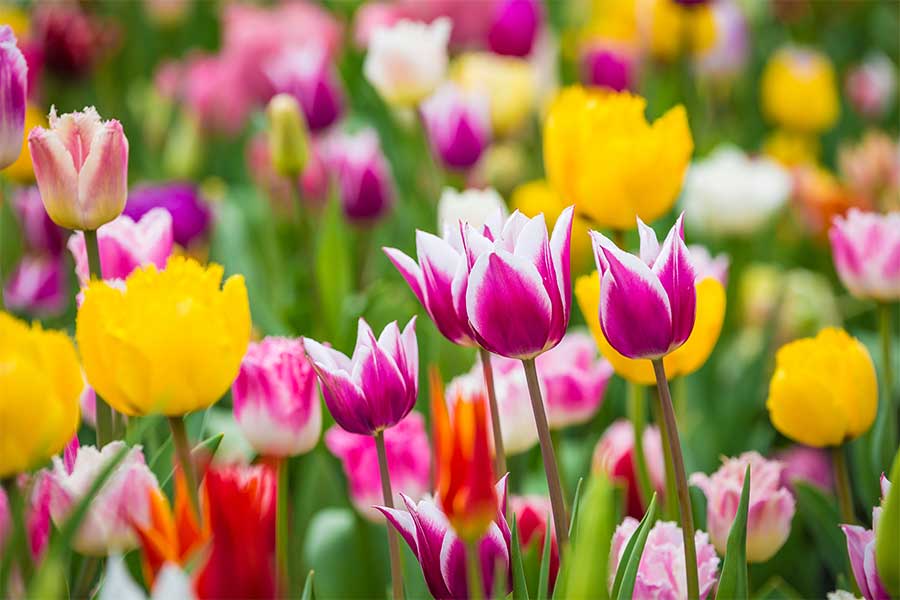
Perfect for containers and formal beds, tulips provide a spectacular mid to late-spring display in every shade imaginable. Think soft pastels through to dramatic reds and purples. We’d recommend replanting fresh tulip bulbs each autumn to ensure an even spread, as some varieties don’t reflower as well as others. And remember, plant your tulips in November (slightly later than other bulbs) to reduce the risk of fungal disease.
Oxford Garden Centre stocks timeless varieties like Red Impression and Cream Cocktail, as well as several striking new varieties. These include Rasta Parrot (a yellow-green tulip with frilled red edges) and Brisbane (a double orange bloom that will last into May).
Snowdrops
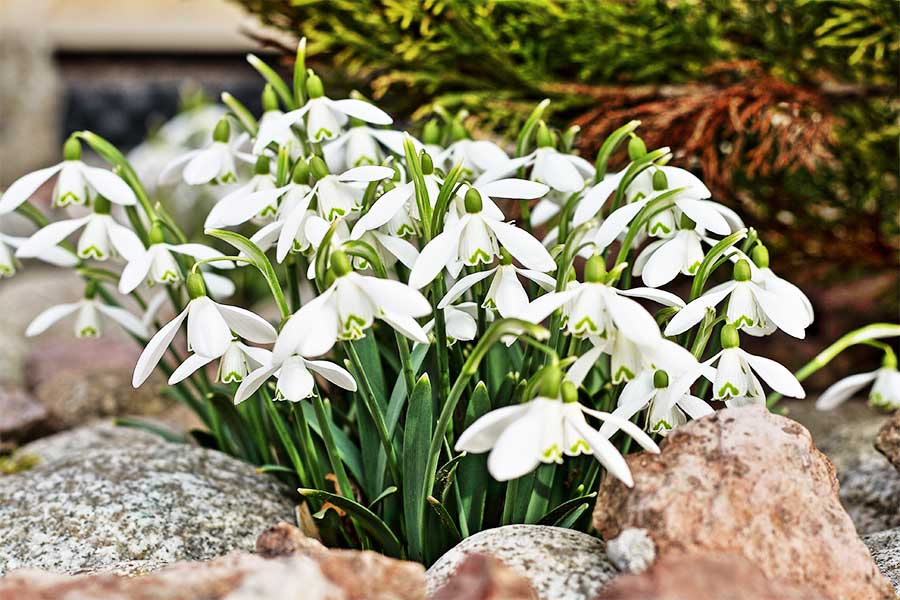
These hardy little white blooms are among the first to flower in February and can even emerge through snow. Snowdrops prefer partial shade and moist, well-drained soil, making them ideal under trees and shrubs. Plant them in October for best results in late winter/ early spring. However, bear in mind that they may take a year to fully establish before flowering strongly.
Hyacinths

Known for their sweet fragrance and bold colours, hyacinths bloom in March–April. They thrive in pots, borders and window boxes, and come in various shades including violet, pink and white. Plant by October, near doors or paths where their scent can be enjoyed come spring.
Alliums
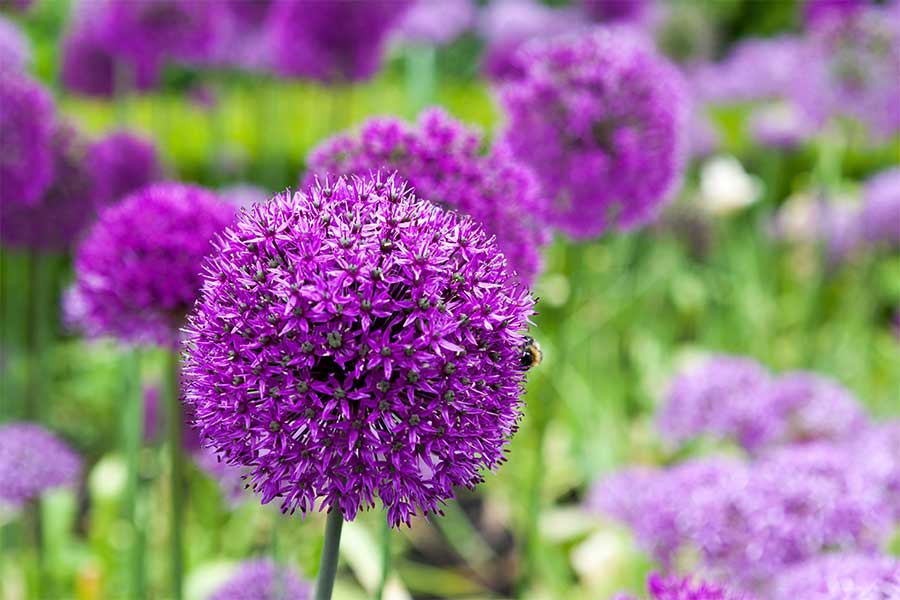
Tall, striking and beloved by pollinators, alliums bloom in May and June with globe-shaped flowers in purple, pink or white. Plant them deeply in well-drained soil in an area that gets full sun. As a later blooming spring bulb, alliums help to bridge the gap between spring and summer flowers. They also add visual interest to borders when planted in amongst lower growing perennials, which in turn disguise any untidy foliage.
Bluebells
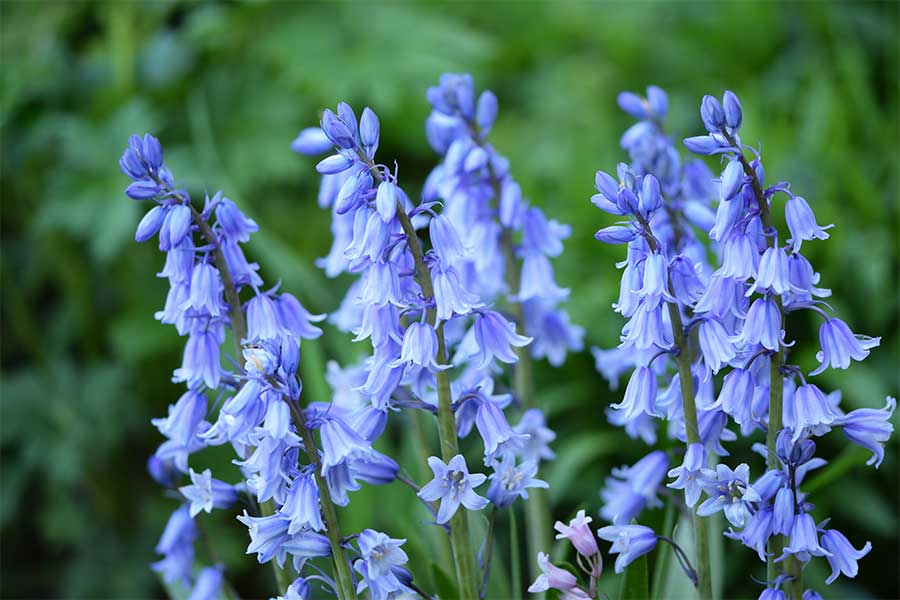
Nothing says British spring quite like a carpet of bluebells. In fact, we have more than any other country! These small yet striking violet-blue flowers thrive in partial shade and flower in April–May. Easy to grow and care for, they’re great for borders, containers or under deciduous trees. You could even create your own mini meadow by planting them in grass. Just don’t mow that part of your lawn until the leaves fully die back at the end of the year.
Irises
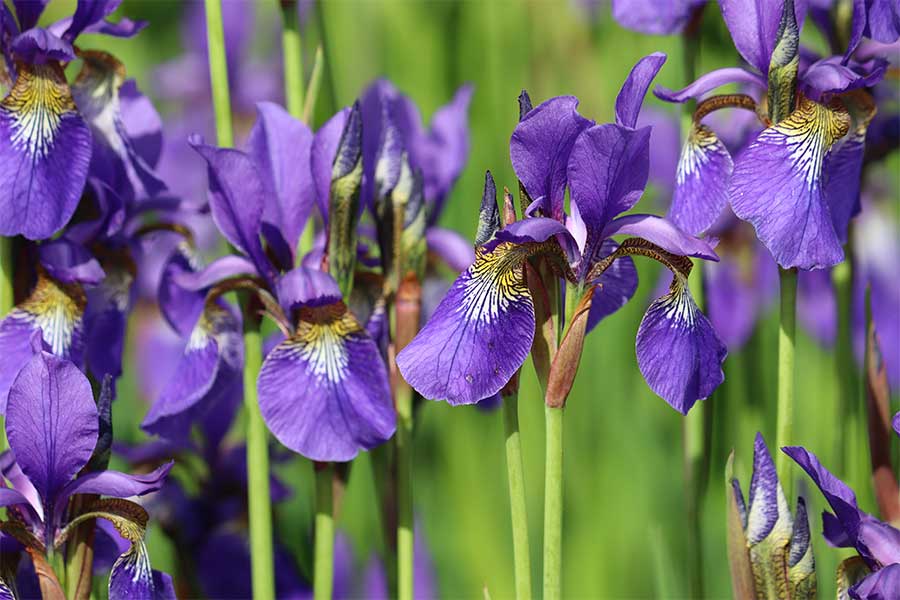
Irises are another early spring flower, often appearing in February and March. Compact yet eye-catching, they boast vivid blue and purple petals marked with striking patterns. Ideal for pots, rockeries or the front of borders, they thrive in sunny, free-draining spots. We stock several dwarf varieties like Blue Note and Clairette, which are great for adding early colour.
Special offer: Free compost with your bulbs

This autumn at Oxford Garden Centre, spend £15 or more on spring bulbs and receive a free 20L bag of MiracleGro Bulb Fibre Compost, worth £5.99.
This peat-free compost is specially formulated for bulbs, with added minerals for strong root growth, healthy stems and vibrant flowers. Its slow-release feed nourishes bulbs for up to three months and helps them replenish energy for the following year.
Bulb packs start from just £3.99, so do call in for a browse – even if you’re a beginner! Our horticultural team will also be on hand to advice on flower selection and planting as needed.
When and where to plant your spring bulbs

Optimal planting times:
- September–October: Daffodils, crocuses, hyacinths
- October–November: Tulips (cooler soil prevents fungal problems)
- Late Autumn–Early Winter: Most bulbs can still be planted until December, provided the ground isn’t frozen
Choosing the right location
Most spring bulbs prefer well-drained soil and a position with at least six hours of sun during their growing season. Early-flowering bulbs like snowdrops and crocuses often cope well with partial shade, particularly under deciduous trees. Borders, lawns, containers and rockeries all make excellent planting sites. But you may need to improve your soil – more on this below…
Step-by-step bulb planting guide

Prepare the soil
Begin by clearing the area of weeds, stones and debris. Dig the soil over to a depth of around 30cm (12 inches), breaking up clumps so the ground is loose and easy to work with.
Mixing in compost or well-rotted manure will improve fertility and helps water drain freely, which is essential for healthy roots. If your garden soil is heavy clay, add compost with grit to help prevent waterlogging. For woodland bulbs like bluebells, aim for a moist (not soggy) soil mix by adding compost to sandy soil.
The planting process
- Depth and spacing: As a rule of thumb, bulbs should be planted at a depth of three times their height. A daffodil bulb measuring 5cm tall, for example, should sit around 15cm below the surface. Space bulbs at least twice their width apart, though planting them slightly closer together in pots can give a fuller effect.
- Orientation: Position bulbs with their pointed tip facing upwards – this is where the shoots will emerge. The flatter, sometimes hairy base is where roots will grow. If you’re not sure, planting them on their side works as the plant will naturally correct itself.
- Mass planting in borders: For a truly show-stopping display, avoid straight lines or evenly spaced rows. Instead, dig a broad hole or trench and scatter bulbs in clusters or drifts. Planting in groups of at least six creates a natural, sweeping effect that looks far more striking in spring. Cover the bulbs with soil, gently firm down with the back of a rake and water lightly if the soil feels dry.
- Container planting: When it comes to pots, drainage is vital. Choose containers with plenty of holes at the base, then fill with a free-draining compost mix (around three parts multi-purpose compost to one part grit). Water thoroughly after planting and keep the soil moist but not waterlogged.
Tip for continuous blooms
Layering bulbs in borders is a great way to create a succession of blooms. In borders, place early-flowering bulbs at the front, mid-season varieties behind and later ones at the back. And in pots, you can layer your bulbs at different depths. Place larger tulip bulbs at the bottom, daffodils in the middle and crocuses at the top. That way, your pots won’t ever look bare.
Aftercare for beautiful spring flower displays every year
During growth
Bulbs don’t demand much, but a little care will give the best results. Keep soil moist during dry spells and feed potted bulbs with a high-potassium fertiliser as shoots appear. You should also deadhead spent blooms to redirect energy back into the bulb rather than into seed production.
After flowering
When the flowers fade, let the leaves die back naturally – usually over six to eight weeks. The foliage is still working to replenish the bulb for the following year. Cutting it too soon will weaken the bulb and reduce flowering.
Dividing and storing
If bulbs become overcrowded and flowering declines, lift and divide them once the foliage has died back. Replant the strongest bulbs at the right depth and spacing. Tulips, in particular, may also benefit from being lifted annually, dried and stored in a cool, dry place before replanting in autumn. This is especially useful in wetter gardens where rot can be an issue.
Collect your spring bulbs and free bag of compost now

With just a little preparation in autumn, you can reap the rewards of a colourful garden post-winter! From February snowdrops to April tulips and May alliums, we have an array of spring bulbs to fill your borders and pots ready for next year’s bloom.
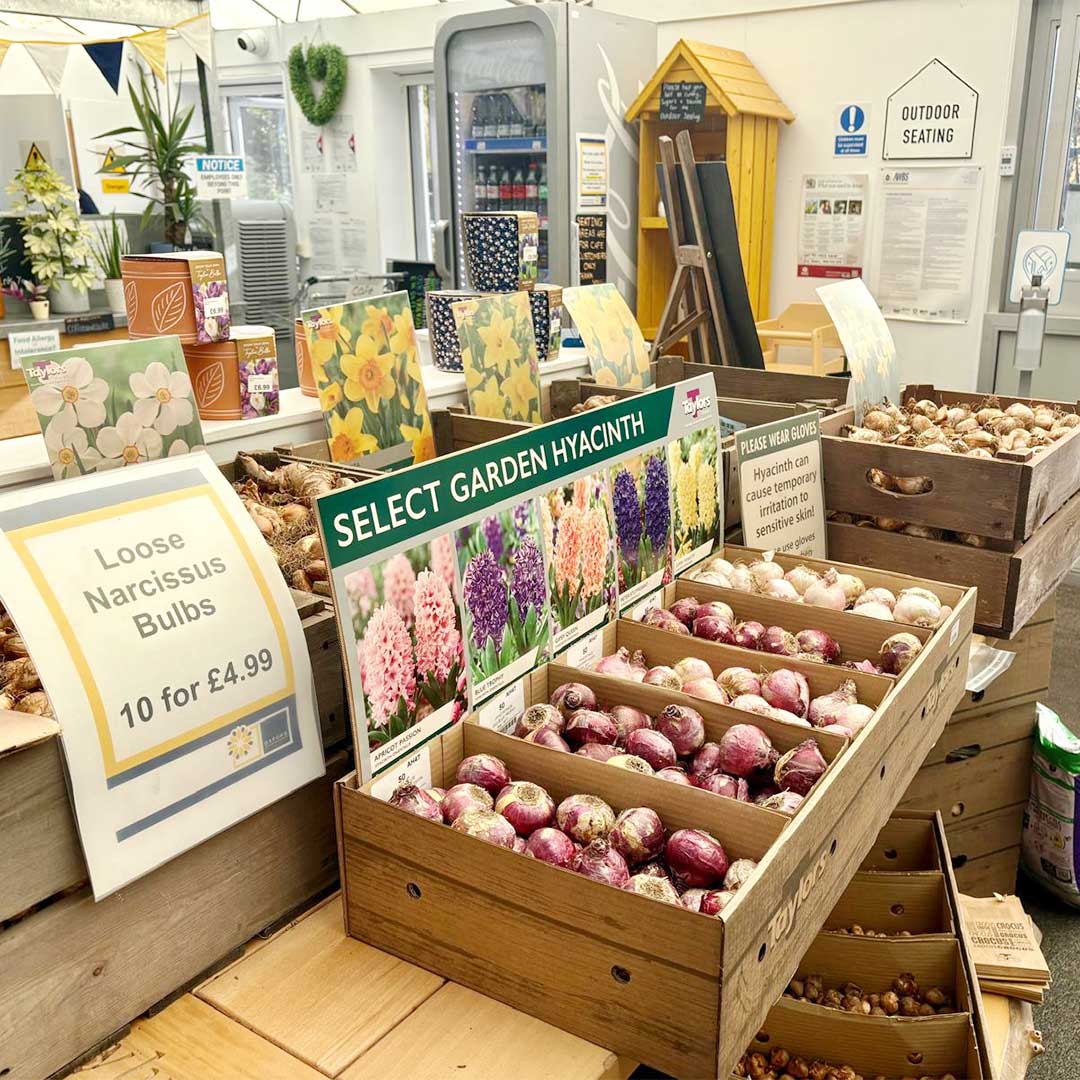
Browse daffodil bulbs, tulip bulbs, crocus bulbs and more, alongside pots and planters in store now. And don’t forget our special offer of free MiracleGro Bulb Fibre Compost when you spend at least £15 on bulbs. With our expert advice and quality planting products, you’ll be well on your way to creating a beautiful spring garden.