How to Attract Birds to Your Garden
Whether you're a nature lover or just want to bring more life and colour into your garden, this guide is for you. Transforming your outdoor space into a bird-friendly sanctuary is easier than you might think. In this practical guide, we’ll show you how to attract birds to your garden by focusing on four essential areas: food, water, shelter and nesting sites. From bird tables and feeders to nesting boxes and seed, we’ve got everything you need to get started.
4 things you need to encourage birds into your garden
1. A reliable and varied food source
If you want to attract birds to your garden, the best thing you can do is provide a good supply of food. It’s now widely recommended to provide food all year round, especially during breeding season, cold snaps and dry periods when natural supplies run low. And though it may take a little while for birds to discover your garden, once they do, they’ll likely come back.
Choosing the right bird food
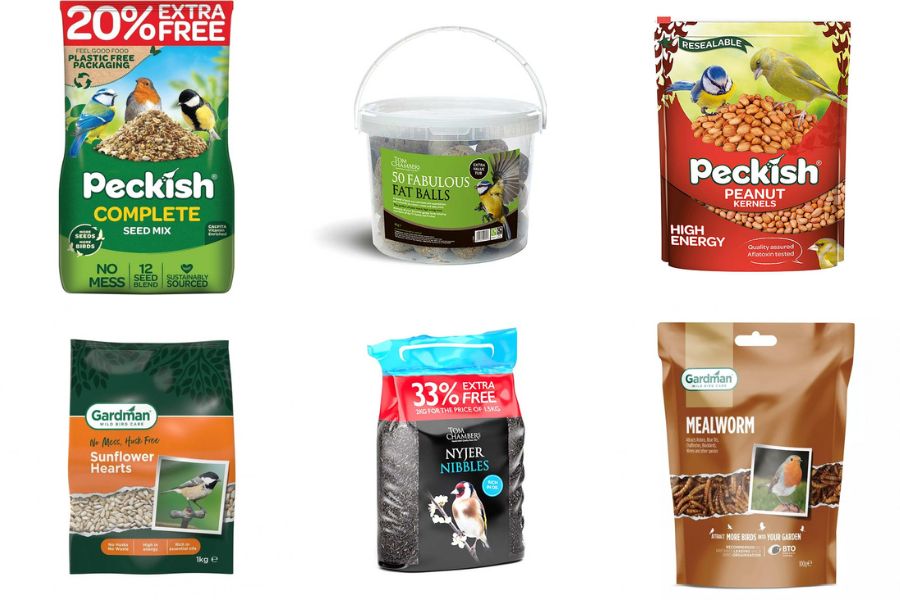
A mix of foods will attract a wider range of species. Popular options for UK gardens include:
- High-quality seed mixes – great for robins, finches, sparrows, wrens and tits. Just make sure you avoid low-grade mixes filled with wheat or fillers that birds won’t eat.
- Sunflower hearts – a favourite of bluetits, goldfinches, great tits and house sparrows, husk-free sunflower hearts are easy to eat, low mess and high in protein.
- Peanuts – high in fat, peanuts are ideal for tits and larger birds like woodpeckers. Use a mesh peanut feeder to prevent choking or crush them for use on bird tables.
- Suet and fat balls – high in calories, these are essential in winter when other food sources are scarce. Loved by robins, blackbirds and long-tailed tits in particular.
- Mealworms – offer dried or live on a bird table or feeding dish on the ground to attract robins, blackbirds and starlings.
Kitchen leftovers such as grated cheese, cooked potato and fruits such as apples and pears are also good for birds. Thrushes especially enjoy soft fruit left on the ground.
Oxford Garden Centre stocks a wide range of high-quality bird feed suited to every species. Browse options online or ask our team for advice on building the perfect mix for your garden.
Bird feeders vs bird tables

Both bird tables and feeders have a role to play in attracting birds to your garden. Here’s some more information to help you choose:
Bird tables – offer a solid, flat surface that’s perfect for ground-feeding birds like robins, blackbirds and thrushes, while keeping larger birds away. They allow several birds to feed at once and provide some protection from predators and the elements.
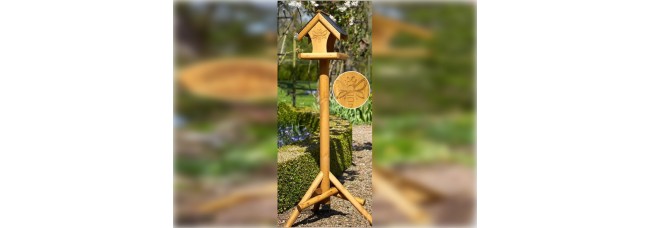
Freestanding bird tables can be positioned wherever you like and act as an attractive yet practical garden feature. Somewhere around 2 metres from a hedge or tree is best, so birds have quick access to shelter if needed. As well as seed and suet, bird tables are ideal for softer foods like fruit, mealworms and kitchen scraps.
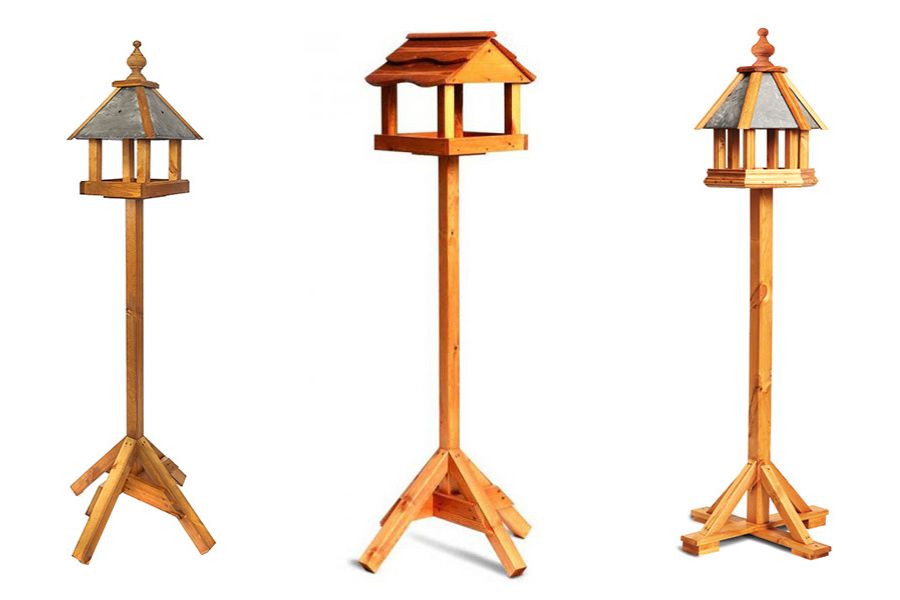
Explore a selection of bird tables on our website, including Tom Chambers’ robust redwood timber designs with genuine slate roofs. Or opt for a decorative hand-carved model instead.
Hanging feeders – great for small, agile birds such as bluetits, greenfinches and sparrows. They take up little space, are easy to refill and help reduce food waste by keeping small pieces more contained.
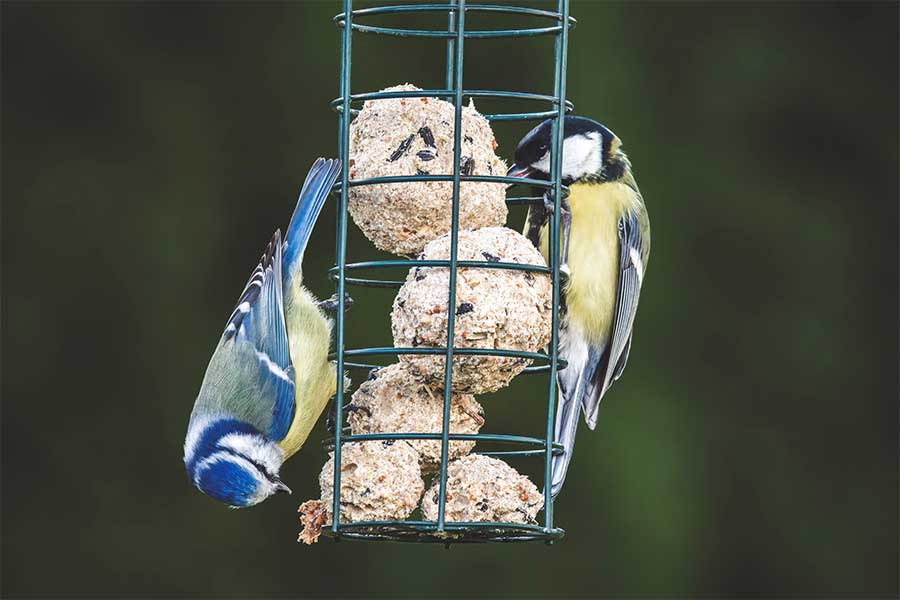
Better yet, you can hang them from virtually anything, including tree branches. Place several at different heights to reduce competition and move them once a week to prevent buildup of waste underneath. Types available at Oxford Garden Centre:
- Seed feeders – Enclosed tubes for seed mixes and sunflower hearts
- Nut feeders – Wire mesh to safely serve whole peanuts
- Suet Feeders – More open cages for fat balls and suet blocks
Top tip: Clean your feeders and bird tables at least once a week with a mild disinfectant to prevent a buildup of bacteria. And only put out enough food for a day or two to avoid spoilage.
2. A clean water source
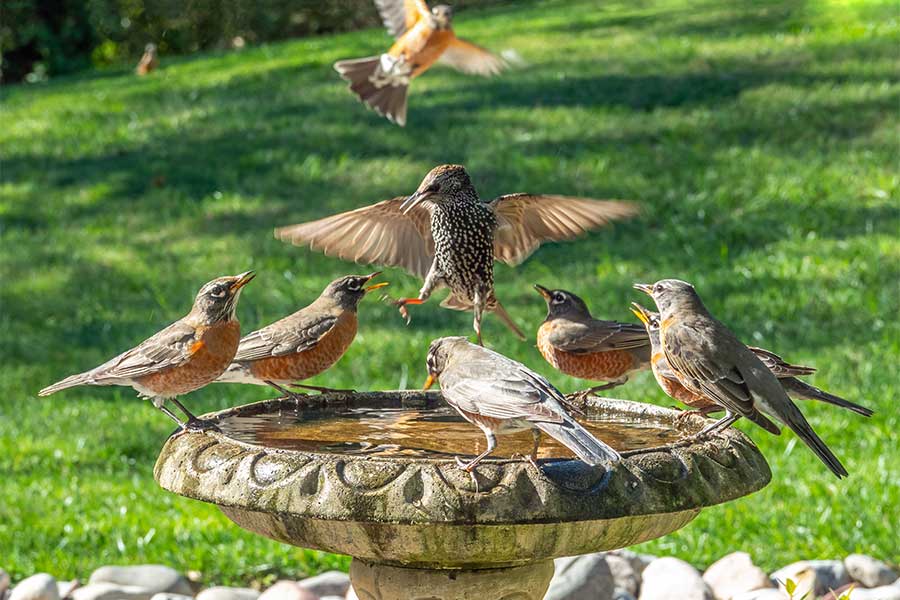
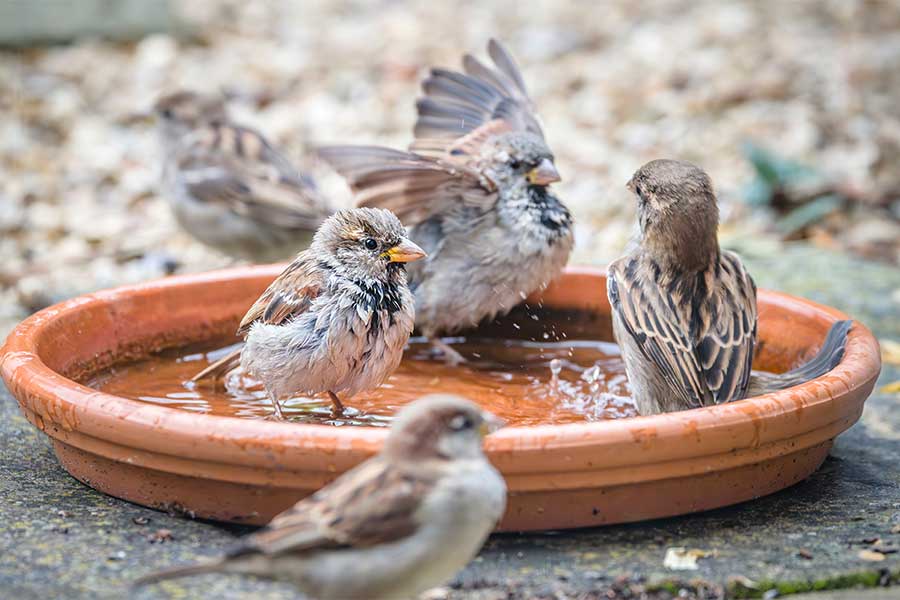
Water is just as important as food when encouraging birds into your garden. Birds need fresh water for drinking and bathing, as it helps keep their feathers insulated and in good condition.
Incorporating a bird bath into your garden is the perfect solution – and much more visually appealing than a plastic container! Choose a shallow design (no deeper than two inches) with a textured surface to help birds maintain grip. At Oxford Garden Centre, we stock the Heritage Glazed Bird Bath – a durable, frost-proof ceramic design in sage green or white to suit your outside space. It’s both decorative and practical, making it an ideal addition to any garden.
Place it in a quiet, sheltered area with good visibility so that birds can spot predators while they bathe. Refresh the water daily and clean the bath regularly to lessen the risk of disease.
Top tip: In winter, keep your bird bath ice-free by adding a floating object like a ping pong ball. It’s a simple but effective way to stop the surface from freezing over when temperatures drop.
3. Safe shelter and plenty of cover
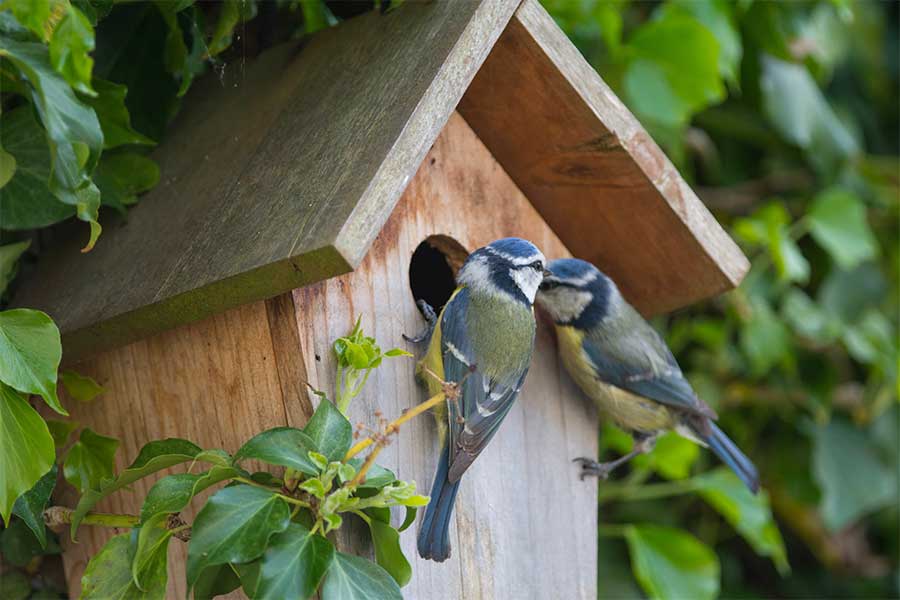 To draw birds into your garden, they need to feel secure. Natural predators like cats and sparrowhawks can make UK garden birds wary of open spaces. Whilst cold, wet weather in the autumn and winter means they also need reliable places to take cover and stay warm.
Natural shelter: the best option
The best shelters for birds are dense, thorny hedges like pyracantha or berberis. These offer both protection and safe nesting spots, while evergreen shrubs provide year-round coverage. Climbing plants like ivy and honeysuckle, especially when grown against a wall or fence, are another great natural shelter. Plus, they attract insects which act as an extra source of food for birds. The same also goes for berry-rich shrubs like holly and hawthorn.
Practical tips for a safer garden
Place feeders near cover, such as trees or hedges, so birds can quickly retreat if threatened. A garden that is too tidy, with no shrubs or trees, feels very exposed.
Use prickly shrubs beneath bird tables or hanging feeders to help deter cats.
Leave empty nest boxes out all year – smaller birds like tits and wrens will often roost in them to escape harsh weather.
Create a log pile in a quiet corner for low-level shelter and to draw insects for foraging.
Additionally, stick to organic and natural pest control methods if necessary, as chemicals can be harmful to birds – particularly those that eat off the ground.
A mix of natural cover and well-placed features will make your outside space safer and more inviting for birds, especially during winter and the nesting season. Discover an array of climbing plants and shrubs to make your garden more bird-friendly at Oxford Garden Centre.
4. Suitable nesting sites
If you want birds to do more than just visit your garden – and raise their young there – then providing well-placed nesting sites is essential. As natural nesting spaces in old trees and buildings become scarcer, garden nest boxes play a vital role in supporting breeding birds.
Install a nest box
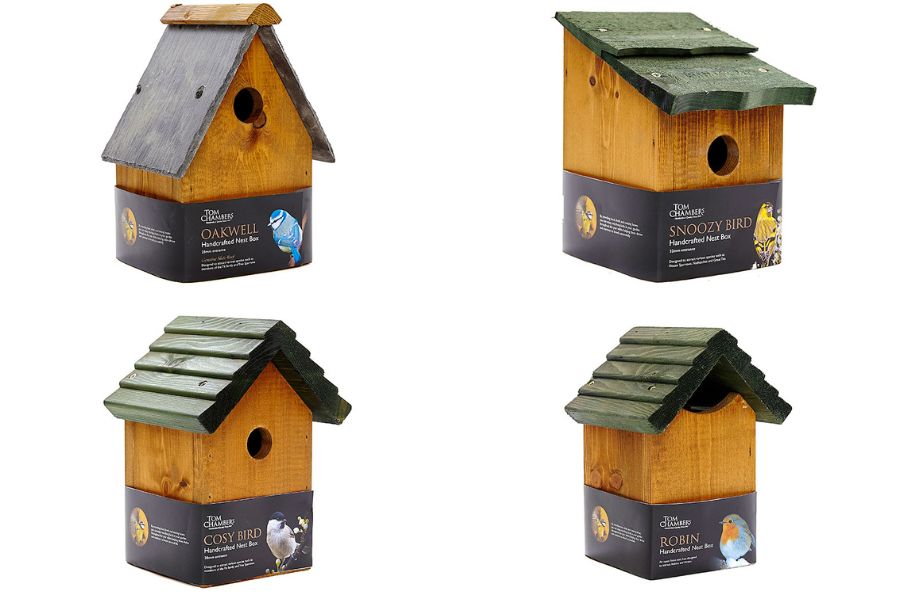
Bird nest boxes give species like tits, sparrows and robins a secure place to raise their chicks. You’ll find a range of nesting boxes for different species at Oxford Garden Centre, including:
- Small-hole nest boxes – 28mm diameter for blue tits, coal tits and tree sparrows, and larger 32mm designs for house sparrows and great tits. These are best mounted 2–3 metres above the ground on a tree trunk, shed or wall. Make sure the entrance hole isn’t blocked by leaves or branches – birds need a clear flight path.
- Open-fronted nest boxes – perfect for robins and wrens, open-fronted boxes should be placed low down, around or below 1.5 metres, hidden among dense shrubs or plants to provide cover from predators.
Wherever you mount your box, face it northwards or eastwards to avoid direct sun and prevailing rain. It’s also a good idea to tilt the box forward slightly to aid run off and prevent rain entering the hole. You should also avoid areas that are easily accessible to cats.
At the end of each nesting season, clean out your bird boxes in early autumn using boiling water (no chemicals). Many species will also use them to roost communally on cold winter nights for extra warmth, so leave boxes up year-round if possible.
Provide natural nesting materials
Alongside nesting boxes, you can help birds build their nests by leaving out natural materials in spring. Try placing small piles of loose twigs, moss, dry grass and even pet fur (not treated with flea chemicals) in quiet corners of your garden or near shrubs to encourage use.
Start attracting birds to your garden today
With the right food, water, shelter and nesting sites, you can make your garden a welcoming space for birds all year round. It doesn’t take much – just consistency and a few well-chosen products. Pop into our Oxford store, open 7 days a week to browse options. Or order directly from the bird care section on our website and enjoy free local delivery. From nest boxes to feeders and tables, we have everything you need to encourage more birds into your garden.